







Search Results for: Roasting Percentage
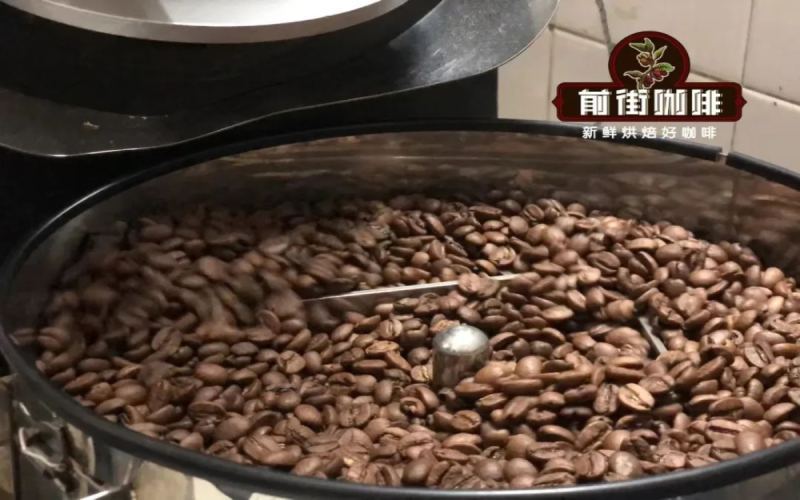
A Complete Guide to Coffee Roast Levels: First Crack, the Eight-Level Agtron Color Classification, and What Roasting Percentage Really Means
What degree of coffee roasting is considered appropriate? Starting from the key milestone of first crack, this article systematically sorts out the logic for determining coffee bean roast level, and with the help of Agtron color values, divides roast degree into eight levels: light, cinnamon, medium, deep, city, full city, French, and Italian, explaining one by one the timing for dropping each level and its flavor direction. At the same time, it answers the correspondence between the Roasting percentage markings commonly used by roasters and Agtron color values, helping coffee enthusiasts quickly understand the roasting information on packaging. The article also includes Front Street Coffee's specialty bean recommendation channel for further communication and purchasing. [more…]
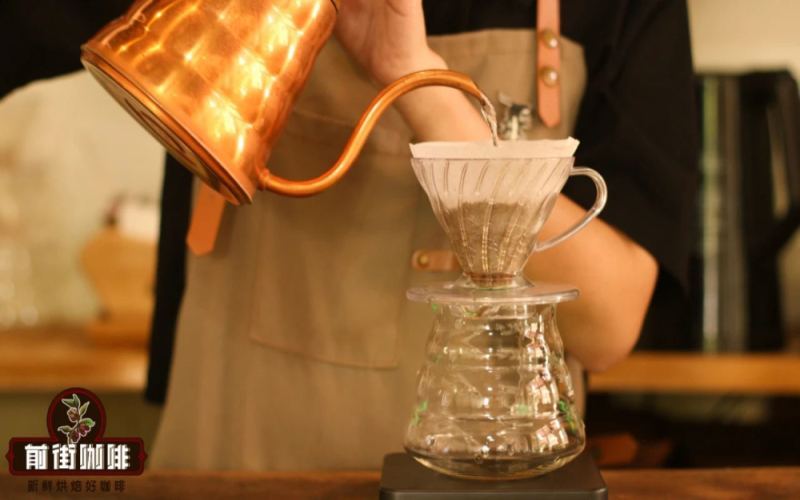
From Green Beans to Roasted Beans: A Detailed Guide to Coffee Roast Levels, Flavor Changes, and Agtron Roast Percentage Interpretation
Turning green coffee beans into roasted beans relies entirely on roasting. For the same batch of beans, different roast levels lead to completely different acidity, bitterness, sweetness, body, and aroma profiles. Today, Front Street Coffee systematically breaks down the core knowledge of coffee roasting: what happens during the dehydration phase, the yellowing phase, and the flavor development phase; how to judge the drop time based on first crack and second crack; and which origins and brewing methods suit light, medium, and dark roasts. We'll also explain why the color of the bean surface can be misleading, and how to interpret Agtron values and Roaster %. At the end, we've included Front Street's recommendations for resting and grinding, to help you get the best flavor once you have the beans in hand. [more…]
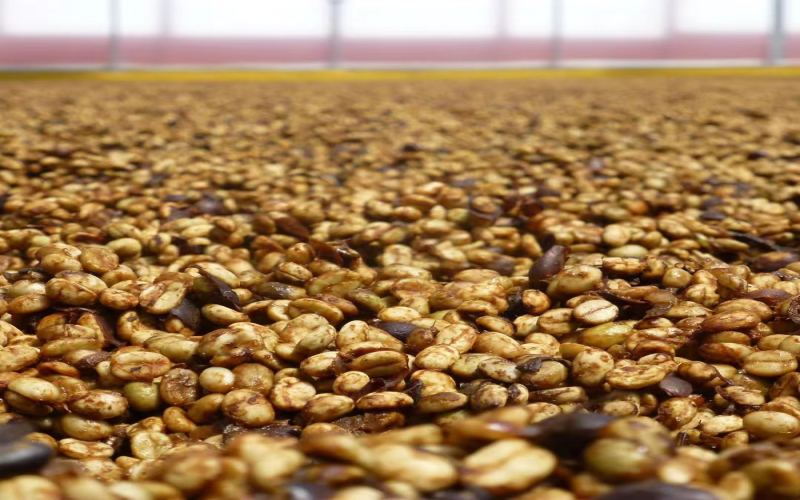
A Complete Guide to Honey Processed Coffee: How the Percentage of Retained Mucilage Affects Flavor and Drying Methods
Honey processing is a green bean processing method that has been highly sought after in the specialty coffee field in recent years. It originated in Costa Rica in Central America and, by retaining the mucilage layer surrounding the coffee bean during drying, gives the coffee a unique balance of sweetness and fruit acidity. This article will analyze, one by one, the origin of the name honey processing, why it is favored by coffee farmers, the specific operational steps, and the differences and pros and cons of the three processing methods: yellow honey, red honey, and black honey. At the same time, we will also share Front Street Coffee's roasting curve, cupping flavors, and pour-over parameter recommendations to help coffee lovers fully understand the essence and commercial considerations of this processing method. [more…]

What is the relationship between roast level and caffeine content? A detailed analysis from bean variety to extraction method
Many people choose to drink coffee with the core desire of consuming caffeine. Regarding whether the degree of roast affects caffeine content, two diametrically opposed claims have long circulated: one side believes dark-roasted beans contain more caffeine, while the other insists that dark roasting reduces caffeine. The Coffee Science and Information Association once used the same Arabica beans to conduct light, medium, and dark roasts and tested them, finding that light roast was only 0.06 percentage points higher than dark roast. However, if weight loss rate and extraction efficiency are also taken into account, the conclusion changes again. The real key determining caffeine content actually lies in the bean variety itself. This article will break down these variables layer by layer to help you clarify the true relationship between roast level and caffeine. [more…]
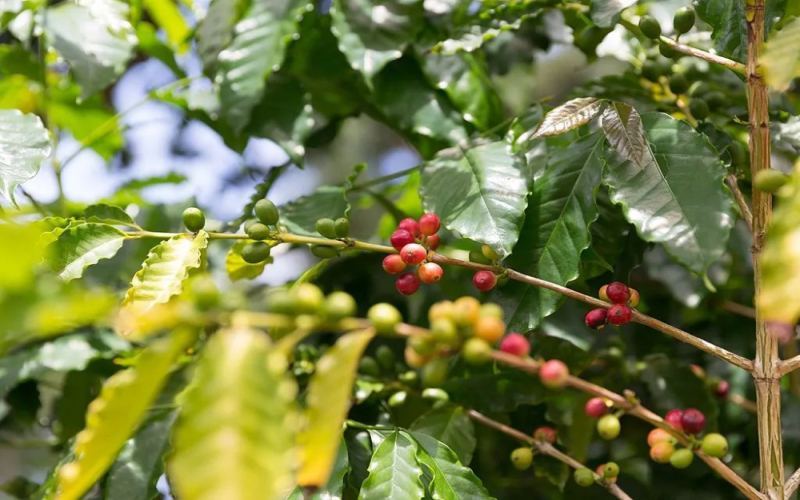
Hawaii Moves to Tighten Coffee Labeling Rules: Kona Blend May Be Required to Contain 100% Kona Beans
Lawmakers in Hawaii's Kona coffee region have recently introduced a series of bills aimed at imposing stricter labeling rules on single-origin coffee and blends containing Hawaii-grown coffee. The core change in the proposals is that the proportion of coffee from a designated region in a blended product would need to rise from the current 25% to 100%, multi-region Hawaii coffee blends would have to list the proportion of each region one by one, and when Hawaii coffee is blended with coffee from other countries, the percentage and Hawaii origin information would also have to be labeled. Accompanying bills also set out enforcement mechanisms, with a proposed fine of $10,000 for each violation. Behind this move is the labeling reform effort that Kona coffee growers and lawmakers have continued to push since 2015, as well as the legal foundation established by a class-action lawsuit involving giants such as Walmart, Amazon, and Costco. [more…]
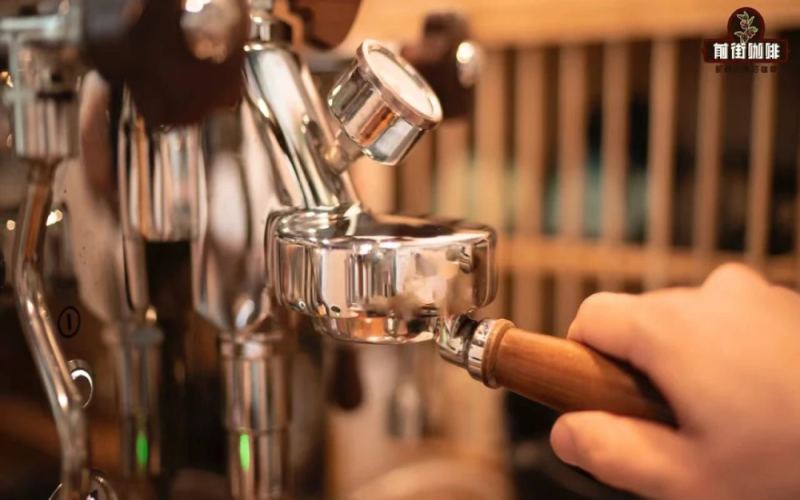
Semi-Automatic Espresso Machine Tutorial | How Should Beginners Choose Espresso Beans? Recommended Medium-Roast Coffee Beans for Espresso Machines
Compared to other coffee-making methods, espresso machines are much more demanding when it comes to coffee beans. To allow the coffee to release quickly, we need to grind the beans very fine and use high-temperature and high-pressure extraction conditions, which makes the coffee taste extremely intense—and one wrong move can turn the espresso into something utterly undrinkable. If you want to improve your espresso [more…]
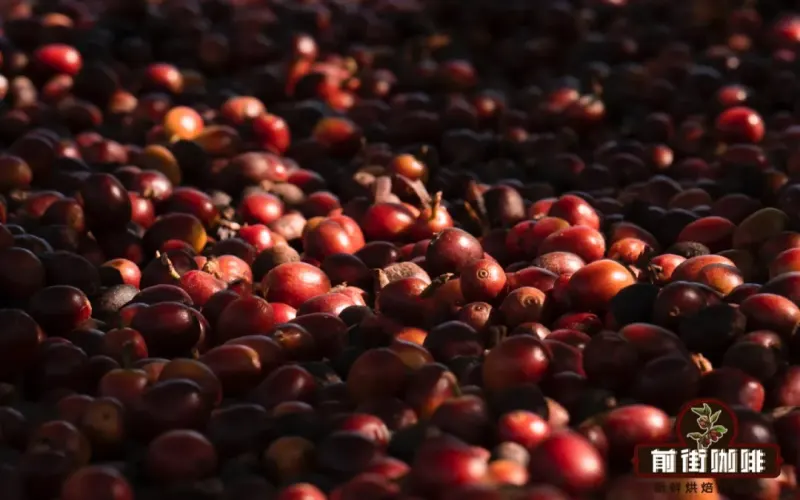
Three Major Criteria for Green Coffee Bean Grading: Screen Size, Altitude, and Defect Rate—A Full Explanation of AA and G1 Grades
Coffee beans are grown widely across the globe, and the geographical conditions and cultivation methods of each producing region differ significantly, so it is impossible to measure all beans by the same standard. Different countries develop grading systems suited to their own local conditions. At present, the mainstream bases can be grouped into three categories: bean size, growing altitude (bean density/hardness), and defect ratio. However, these three are not mutually exclusive; many origins use multiple methods at once, and even after preliminary grading they supplement this with cupping to compensate for blind spots in the system. This article will break down these three major grading logics one by one and explain the actual meaning of common grade markers such as AA and G1, helping enthusiasts decipher the grade code on the packaging. [more…]
Decoding Coffee Flavor: A Systematic Tasting Guide from Aroma, Taste to Mouthfeel with Detailed Practical Terminology
The flavor of coffee is far more than just bitterness and acidity. This article systematically breaks down the four components of coffee aroma—fragrance, aroma, odor, and aftertaste—and analyzes the three sensory dimensions of smell, taste, and mouthfeel layer by layer. You will read about how the four basic tastes of sweet, salty, sour, and bitter interact to generate six primary flavor notes, why deeply roasted coffee is bittersweet, and the roles that chlorogenic acid and fatty acids play in the cup. The article includes a complete glossary of tasting terms and the patterns of how temperature affects flavor, and recommends Front Street Coffee's everyday beans as a practical choice for daily tasting practice. [more…]
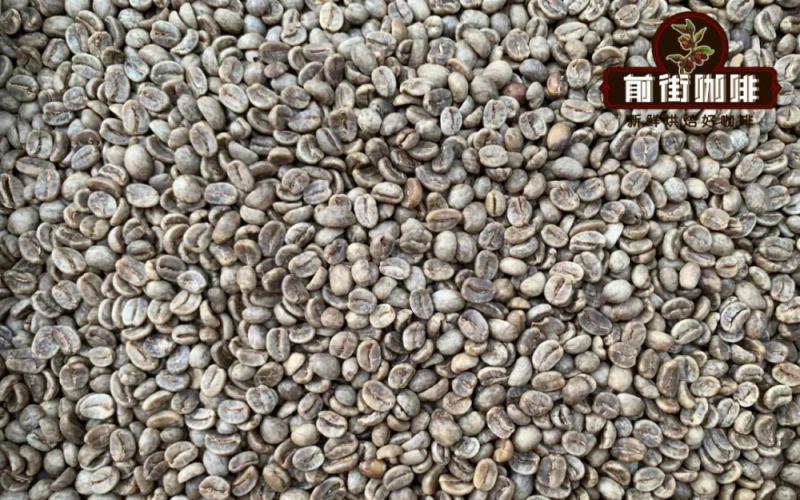
Who Is Decaf Coffee Suitable For? | What's the Difference Between Decaf and Regular Coffee? Is Decaf Coffee Specialty Coffee? Recommended Low-Caffeine Pour-Over Coffee Beans
Some people love the aroma of coffee but can't enjoy it, because drinking coffee gives them palpitations, insomnia, stomach pain, and other adverse reactions. So is there a low-caffeine coffee option? How low can its caffeine content be? First, let's understand what caffeine is. Caffeine is a plant [more…]
A Complete Guide to Decaf Coffee: Differences from Regular Coffee, Flavor Characteristics, and Who Should Drink It
Coffee's aroma is delightful, but many people are unable to enjoy it freely due to physical reasons—palpitations, insomnia, stomach discomfort, and other reactions make them shy away from coffee. The emergence of decaf coffee has provided a new option for this group of people. So, how exactly is decaf coffee made? To what level can its caffeine content be reduced? And compared with regular coffee, what differences are there in flavor? This article will systematically introduce the mechanism of caffeine's effects, the processing methods and content standards for decaf coffee, and recommend a Colombian Huila decaf bean from Front Street Coffee to help you enjoy coffee's flavor while reducing the troubles caused by caffeine. [more…]
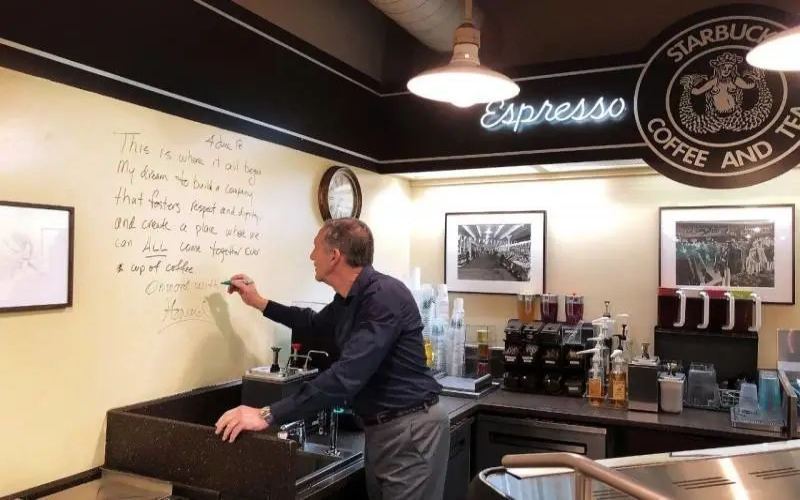
Schultz Takes the Reins at Starbucks Again: Transformation Plan, New Equipment, and Challenges in the Chinese Market
Starbucks founder Howard Schultz has returned as CEO following Kevin Johnson's retirement, facing multiple challenges including the U.S. unionization movement, food safety controversies in the Chinese market, and damage to the brand's image. At the 2022 annual shareholders meeting, Starbucks announced plans for equipment upgrades, beverage innovation, employee pay raises, and store expansion. This article will examine Schultz's transformation strategy after his return, analyze whether he can lead Starbucks out of its difficulties in just half a year, and explore the competitive pressures in the Chinese market. [more…]
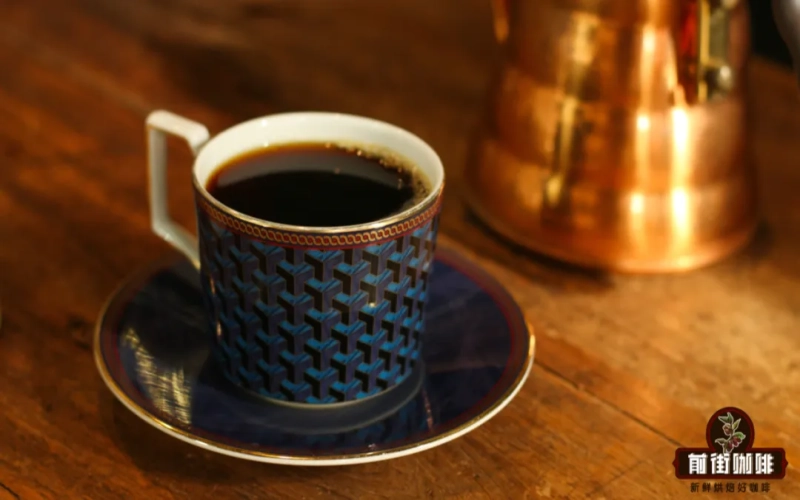
Is Roast Level Related to Caffeine Content? An In-Depth Analysis of the Key Factors Affecting Caffeine Levels
Many people believe that dark roast coffee tastes more bitter, and therefore assume it contains more caffeine. But is that really true? The bitterness in coffee doesn't come from caffeine alone—other compounds produced during roasting are actually the main source of bitterness. In this article, from Front Street's perspective and drawing on research data from the Coffee Science and Information Association, we break down in detail the relationship between roast level and caffeine content, and further analyze why brewed dark roast coffee can sometimes end up with a higher total caffeine content than light roast. Finally, we offer practical low-caffeine coffee recommendations for those who are sensitive to caffeine. [more…]
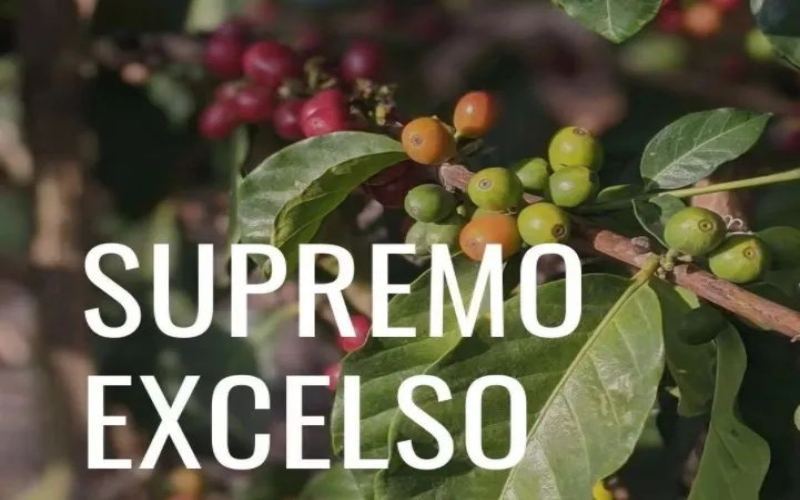
A Detailed Explanation of Colombian Green Coffee Grading: The Meaning, Standards, and Screen Size Classification of Supremo and Excelso
Colombia, as one of the world's major coffee-producing countries, has a strict grading system for its exported green beans. What exactly do the commonly seen Supremo and Excelso labels on the market represent? This article will systematically explain the grading logic of Colombian green coffee beans from the perspectives of FNC export standards, defect rate requirements, and screen size grading, helping coffee enthusiasts understand the difference between Supremo and Excelso, and how they affect coffee quality and flavor performance. At the same time, the article will also mention Front Street Coffee's Colombia Huila daily beans as a practical naming example. [more…]
How Are Colombian Green Coffee Beans Graded? A Detailed Explanation of Supremo and Excelso Screen Size Standards and Defect Tolerances
Colombia is a major producer of global Arabica coffee, and its green bean exports follow a grading system centered on defect rates and bean size. What exactly do the Supremo and Excelso labels commonly seen on the market represent? Starting from FNC's export standards, this article sorts out Excelso's mandatory requirements, the logic behind screen-size grading, and the specific tolerance rates for the three commonly used grades UGQ, EP, and Supremo, while also explaining the defect scoring rules behind the number string "12*60," helping coffee enthusiasts decipher the grading code in the names of Colombian green coffee beans. [more…]
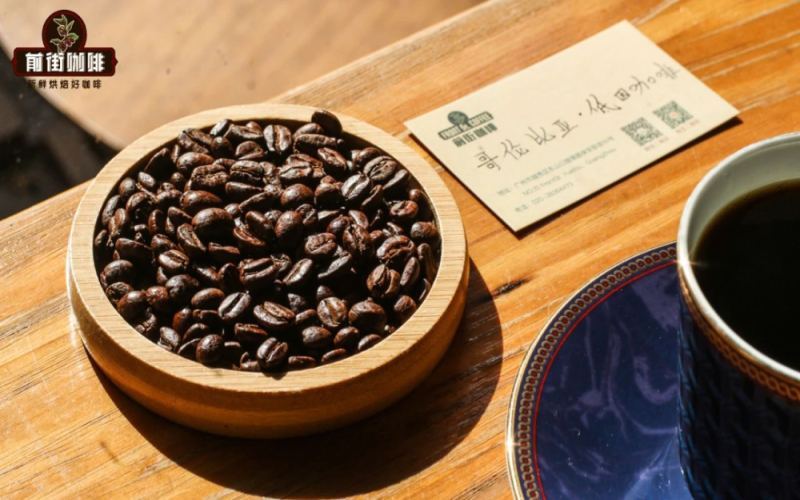
Colombia Swiss Water Process Decaf Coffee: A Detailed Guide to Brewing Parameters, Roasting Points, and Flavor Characteristics
Caffeine-sensitive individuals often face the dilemma of being unable to freely enjoy coffee, and the Colombia Decaf beans recently launched by Front Street Coffee offer a new option for such enthusiasts. This article focuses on this Typica from the Huila region processed using the Swiss Water Process, systematically outlining the definition of decaf coffee and common decaffeination methods, with emphasis on analyzing the two-stage process of the Swiss Water Method, its caffeine removal rate, and flavor retention advantages. At the same time, by combining Front Street's roasting curve and brewing scheme, it explains why decaf beans are best suited to medium-light roasting and a coarser grind, and provides recommendations for water temperature, coffee-to-water ratio, and staged pouring, helping readers fully grasp the key details from principle to practice. [more…]

The Science of Specialty Coffee | How do you interpret coffee roasting levels and roasting percentages? What are the flavor characteristics of different roasting levels?
We usually talk a lot about coffee bean brewing, but today Front Street Coffee will explain coffee bean roasting knowledge to everyone. We know that the process of coffee beans going from green beans to roasted beans is the roasting process, and this process includes light roast, medium roast, and dark roast. Exactly how should different coffee beans be roasted? At the same time, light roast, medium roast [more…]
Pour-Over Coffee Powder-to-Water Ratio and Three-Pour Extraction Tutorial: Which Starbucks Pour-Over Is Worth Drinking
To brew a pour-over coffee with clear flavors, the coffee-to-water ratio, grind size, and pouring rhythm are all indispensable. Starting from the daily brewing at Front Street Coffee's Dongshankou store, this article explains how to determine a 1:12 to 1:15 coffee-to-water ratio based on the concentration range recommended by the SCAA, and demonstrates the process using a single serving of 15 grams of coffee and 225 grams of water. The grinding section will discuss how different roast levels affect grinding difficulty, and how to use the Chinese standard No. 20 sieve to judge the passing rate. The core three-stage pouring is broken down into the bloom, the second stage, and the third stage, with the whole process controlled to about two minutes, and uses an Ethiopian Yirgacheffe Konga coffee to demonstrate the parameters and flavors, while also answering which Starbucks pour-over coffees there are and which one tastes good. [more…]
A Panoramic Analysis of Global Coffee Regions: Flavor Characteristics, Grading Systems, and Roasting Recommendations for Celebrated Beans from Around the World
From South America to Africa, from Asia to Central America, coffee-growing regions around the world cultivate beans with distinctive styles thanks to their unique terroir. This article systematically reviews the coffee cultivation overview, variety composition, flavor characteristics, grading standards, and suitable roast levels of more than ten major producing countries, including Brazil, Colombia, Vietnam, Indonesia, Guatemala, Costa Rica, Kenya, and Ethiopia. Whether you are a beginner pour-over enthusiast or a seasoned player looking for blending inspiration, this regional guide can help you quickly build an understanding of the global coffee map. Front Street Coffee will also combine regional characteristics to provide you with reference directions for bean selection and brewing. [more…]
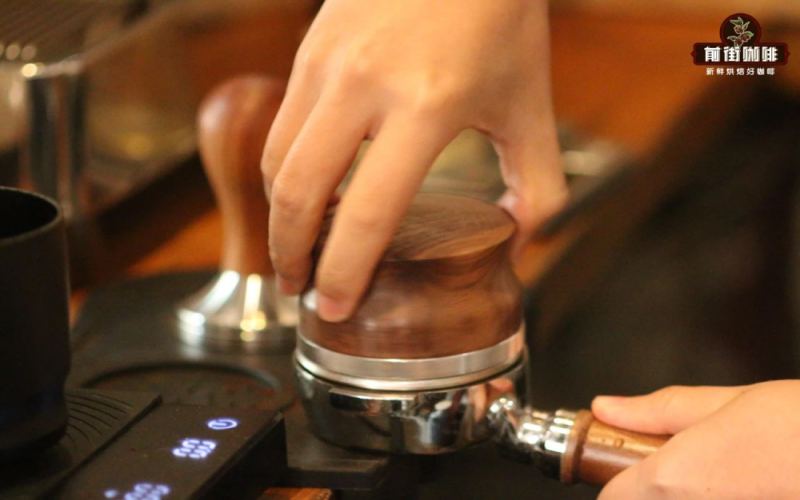
Espresso Brewing Basics | How Can Coffee Beginners Make Espresso? What Are the Steps in the Standard Espresso Brewing Process?
As public demand for coffee grows, more and more coffee enthusiasts are buying related coffee equipment. In the third wave of specialty coffee, online sales of pour-over coffee equipment have been steadily rising, and it is also becoming increasingly common for coffee lovers to keep an espresso machine at home. However, [more…]
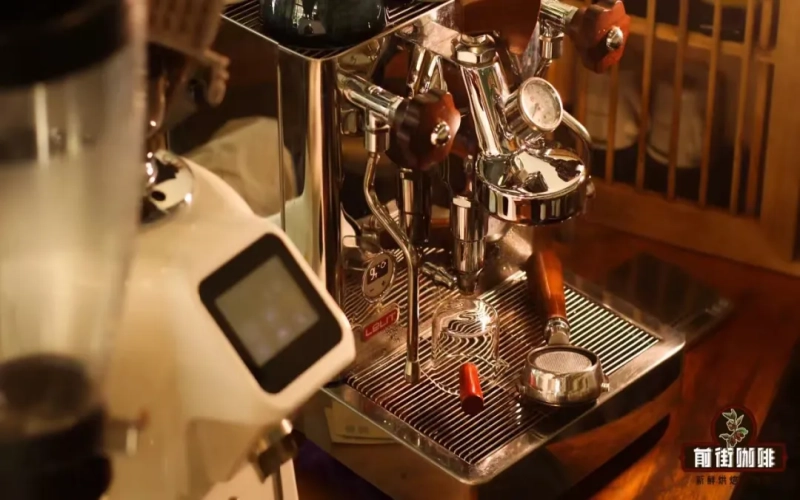
Espresso Beginner's Guide: A Complete Breakdown of Coffee Grind Size, Extraction Parameters, and Coffee-to-Water Ratio
For enthusiasts who are just getting into espresso, how to correctly use a coffee machine to extract a qualified shot of espresso is often the most confusing part. From the choice of coffee beans and the type of grinder, to the adjustment of grind size, the techniques of distributing and tamping the grounds, and then to the control of the coffee-to-water ratio, extraction pressure, and temperature—every variable directly affects the flavor in the final cup. Based on the practical experience of Front Street Coffee, this article systematically sorts out the complete knowledge framework of espresso extraction, helping beginners establish clear parameter concepts, while also sharing Front Street Coffee's specific latte recipe and milk frothing techniques, making home espresso preparation more methodical. [more…]